
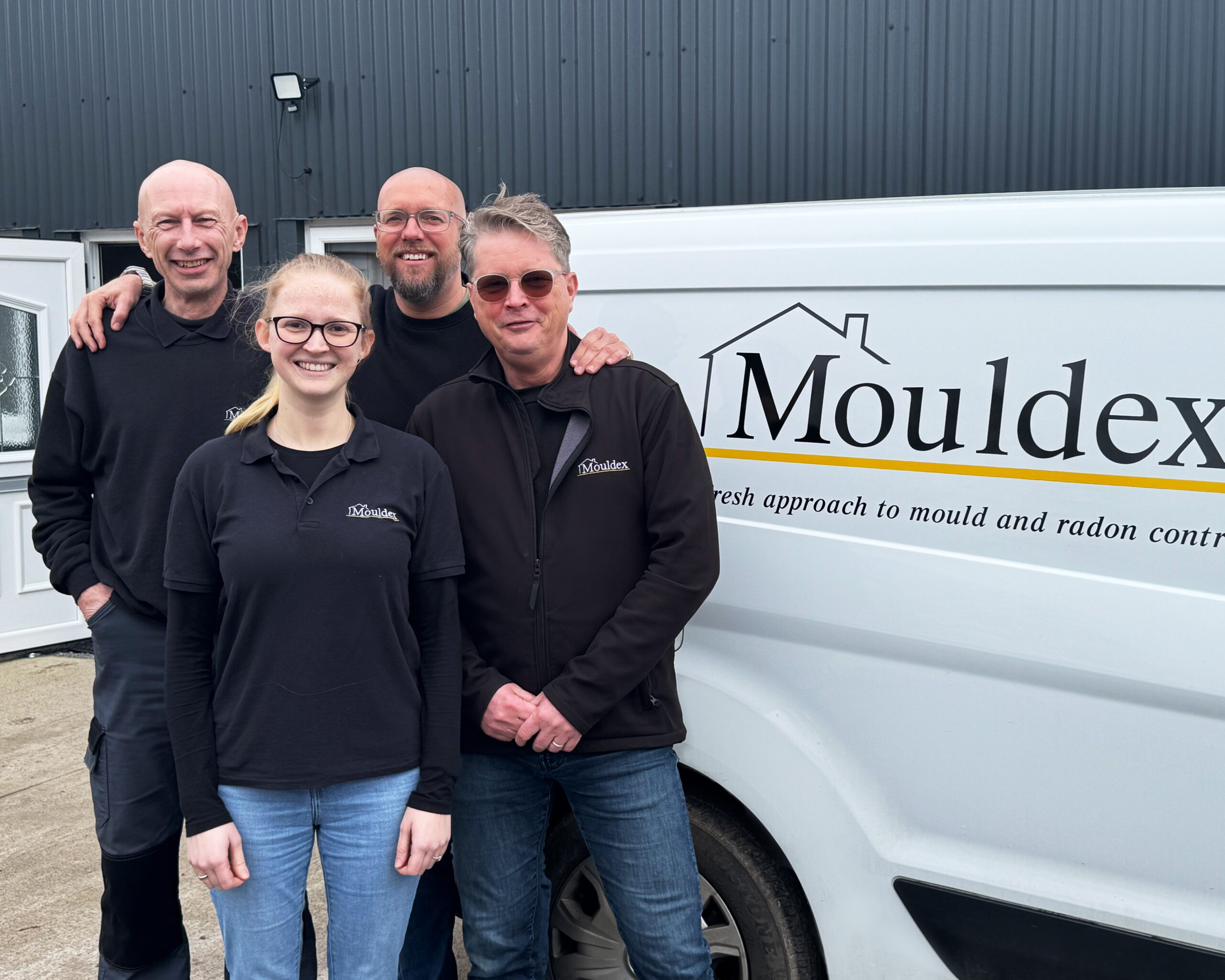
We are pleased to announce that we have officially achieved our ISO 9001 certification. This significant milestone reflects our commitment to delivering exceptional quality, enhancing our processes, and ensuring complete customer satisfaction.
We sincerely thank our outstanding ISO team, who collaborated across various departments to make this achievement possible. Their diligence and teamwork enabled us to pass the certification and establish a solid foundation for future success.
So, why is ISO 9001 important? It is an internationally recognised standard that helps organisations like ours excel in quality management. This certification ensures we meet and exceed customer expectations while fostering continuous improvement. The seven key principles that guide the certification are:
1. Customer Focus – Prioritising our customers in all we do.
2. Leadership – Fostering a strong vision and encouraging a positive culture.
3. Employee Engagement – Empowering all team members to contribute.
4. Process Approach – Maintaining efficiency and organisation.
5. Improvement – Committing to continual growth.
6. Evidence-Based Decision-Making – Making informed decisions backed by data.
7. Relationship Management – Nurturing strong connections with stakeholders.
This achievement transcends obtaining a certificate; it underscores our dedication to ongoing improvement and exceeding expectations. We view this as the beginning of a new chapter and are eager to enhance our performance moving forward.
We recognise that this accomplishment would not have been possible without our team’s hard work and dedication. A special thanks to Tilly, Alfred, Tony, Martin, Dan and everyone else who contributed to this success. Your efforts have truly made a difference.
We look forward to building upon this success and continuing our journey of growth and innovation.
Find out more about ISO 9001 by clicking this link and visiting the the ISO website – https://www.iso.org/standard/62085.html
More From Mouldex -
Preparing for Mould Season: The Ultimate Guide
As September arrives, temperatures drop, daylight shortens, and homes begin to feel the chill. That means mould season is just around the corner. Are your teams prepared, or are you already facing a backlog of condensation cases? In this guide, we share practical ways...
The Rise of IoT Monitors: How UK Housing Providers are Reaping the Rewards
The UK social housing sector is undergoing a rapid digital transformation, spurred on by tighter budgets and stricter legislative demands. To navigate these challenges, housing providers are increasingly turning to technology to keep their properties and residents...
Why Ventilation Servicing is a Housing Provider’s Best Defence Against Mould
For social housing providers, the summer months bring a welcome respite from the influx of damp and mould complaints. As residents open windows and warmer air naturally reduces internal condensation, it can be tempting to move ventilation maintenance down the priority...
Servicing Season: Fighting Moisture and Mould Proactively
Much attention is given to treating mould and moisture, but these issues often stem from poor ventilation. This article shifts focus from reacting in winter to proactively maintaining homes in quieter months. Social landlords and property managers can transform damp...
Ventilation Solutions Compared: Dehumidifier vs Extractor Fan vs PIV – Which is Most Cost-Effective for Mould?
Good ventilation is important when dealing with mould because it allows condensation and humidity to escape before it settles on cold surfaces and turns into mould. In this blog, we’ll look at the three most common ways to ventilate your home and fight mould: using a...
How to Reduce Radon Gas in UK Homes
Radon is an invisible a naturally occurring radioactive gas that affects thousands of UK homes every year it seeps into homes from the ground and can build up inside buildings. Long-term exposure to high levels of radon significantly increases the risk of lung cancer....
What is a Positive Input Ventilation (PIV) System and How Does It Improve Indoor Air Quality
Poor indoor air quality is a common challenge in the UK’s social housing stock, particularly mould, dust, pollen and volatile organic compounds (VOCs). These issues can negatively impact residents’ health and cause discomfort. Positive Input Ventilation (PIV) offers...
Mould in Social Housing: Health Risks, Causes & How to Remove It Safely
Mould in social housing signals more than superficial issues. It often reveals hidden moisture problems that can affect health and property. In the UK's damp climate, many residents face ongoing mould problems, often caused by condensation, poor ventilation, or...
Preventing Condensation and Mould in Social Housing: Causes, Risks, and Solutions
This guide gives an overview of why condensation occurs in social housing, how it leads to mould, what Awaab’s Law requires from landlords, and covers solutions to prevent future mould & condensation issues. Condensation is a common part of daily life in homes,...
Managing Mould in Social Housing: Essential Guidance for Housing Providers and Tenants
Mould growth continues to be a widespread concern in UK social housing, and can lead to tenant complaints and disputes with landlords. While it may first appear as a cosmetic issue, mould often signals deeper problems and poses serious health risks. This blog outlines...