
Mould in social housing signals more than superficial issues. It often reveals hidden moisture problems that can affect health and property. In the UK’s damp climate, many residents face ongoing mould problems, often caused by condensation, poor ventilation, or structural defects.
To understand how to manage mould, it is important to first explore what mould is, why it thrives indoors, and how exposure can affect health. This blog also outlines strategies for prevention and safe removal within social housing.

What Is Mould and Why Does It Thrive Indoors?
Mould is a fungus thriving in damp, poorly ventilated areas. It feeds on organic materials like paint, wood, and household dust. Increased humidity from activities such as cooking, bathing, or drying clothes indoors can cause moisture on cold surfaces. Without proper airflow or heat, this condensation creates ideal conditions for mould.
Health Risks of Mould Exposure
Mould releases microscopic spores, posing health risks—especially with long-term exposure.
Common Health Issues
- Respiratory problems: coughing, wheezing, throat irritation
- Allergic reactions: sneezing, skin rashes, worsening asthma symptoms
- Severe or prolonged exposure: headaches, fatigue, neurological effects.
Vulnerable groups: young children, elderly individuals, and people with respiratory conditions or compromised immune systems are most at risk.
Safe Removal of Mould in Social Housing Properties
Removing visible mould addresses only part of the problem. The moisture source must be fixed to prevent recurrence.
- Small patches (under 1m²): Remove mould with a fungicidal cleaner. Always use gloves, a mask, and eye protection to avoid inhaling or spreading spores.
- Extensive or recurring mould often signals an underlying property issue that requires specialist knowledge and professional intervention.
Preventing Mould Through Effective Moisture Control
Preventative steps are crucial for long-term mould control.
- Use continuous-running fans with boost functionality to combat high humidity.
- Educate residents on best practices for keeping their properties well-ventilated.
- Establish a servicing schedule for all ventilation systems to ensure they function correctly.
- Monitor and promptly repair plumbing leaks, broken seals, or roofing damage.
- Ensure residents report mould problems early.
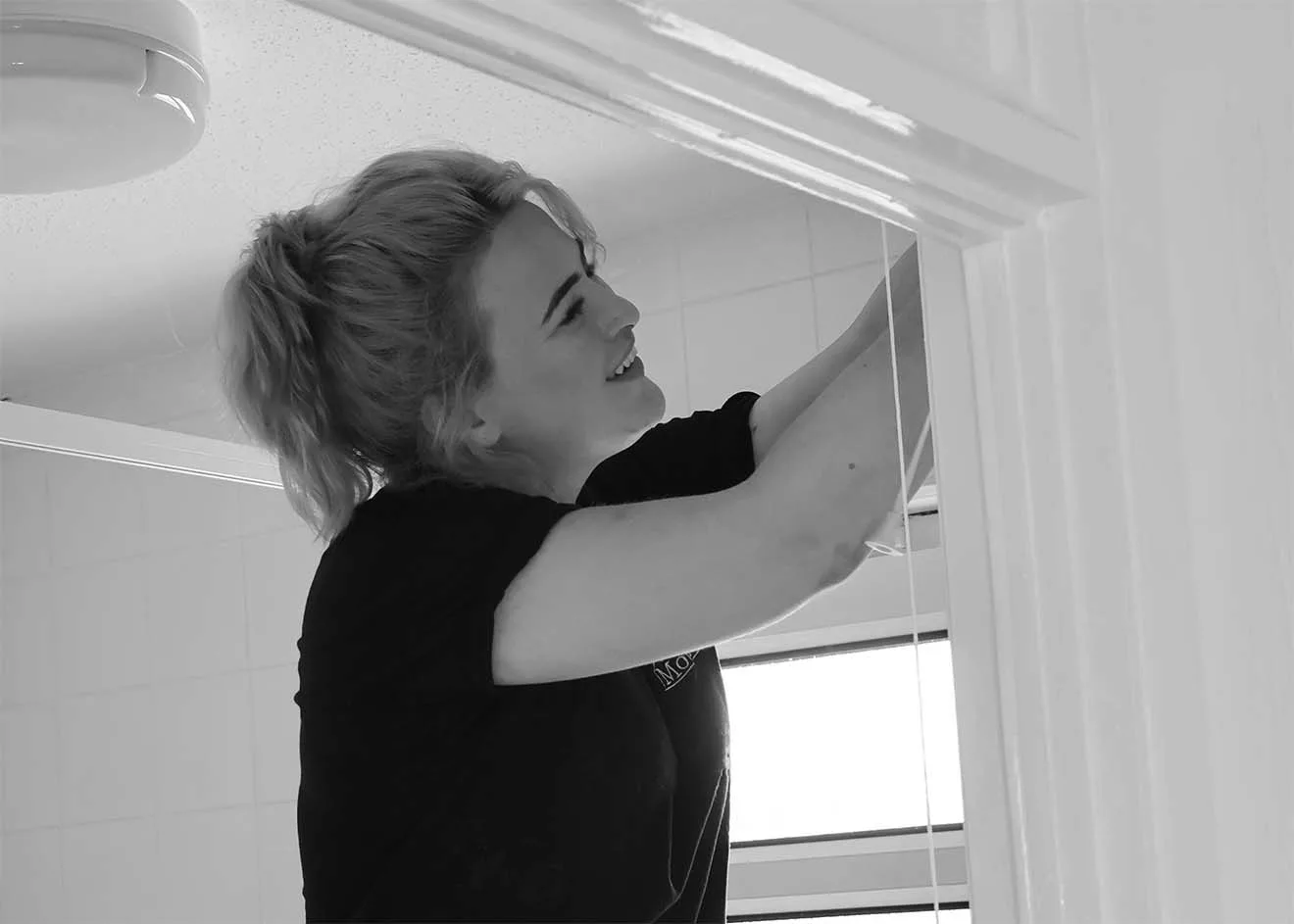
Supporting Social Housing Residents
Managing mould in social housing requires joint effort from landlords and residents. Landlords must act quickly in accordance with Awaab’s Law and their legal duties. Tenants should get clear advice on ventilation, moisture control, and reporting issues.
Educating residents, maintaining service schedules, and timely professional intervention improve living conditions and cut long-term costs.
Take proactive steps to protect your property from mould—contact us today at 01278 428347 or info@mouldexltd.com to arrange a professional survey and discuss solutions tailored to your needs.