
Black mould in a home is more than just a visual problem; it’s a real health hazard to residents. While mould can develop for many reasons, the most common cause is excess moisture in the air, which leads to condensation and eventually turns into mould growth around windows, walls, and ceilings. It’s important to understand that black mould is a serious health risk to anyone living in an affected property. In this blog, we break down four health effects that mould can have on your residents.
1. Asthma
When mould spores are in the air, they can easily be breathed in, especially if there is a lack of ventilation and high moisture in the home. For residents who already suffer from asthma, mould exposure can make their symptoms worse and can lead to more asthma attacks. Even those without a history of asthma can develop breathing difficulties if the mould issue isn’t addressed.

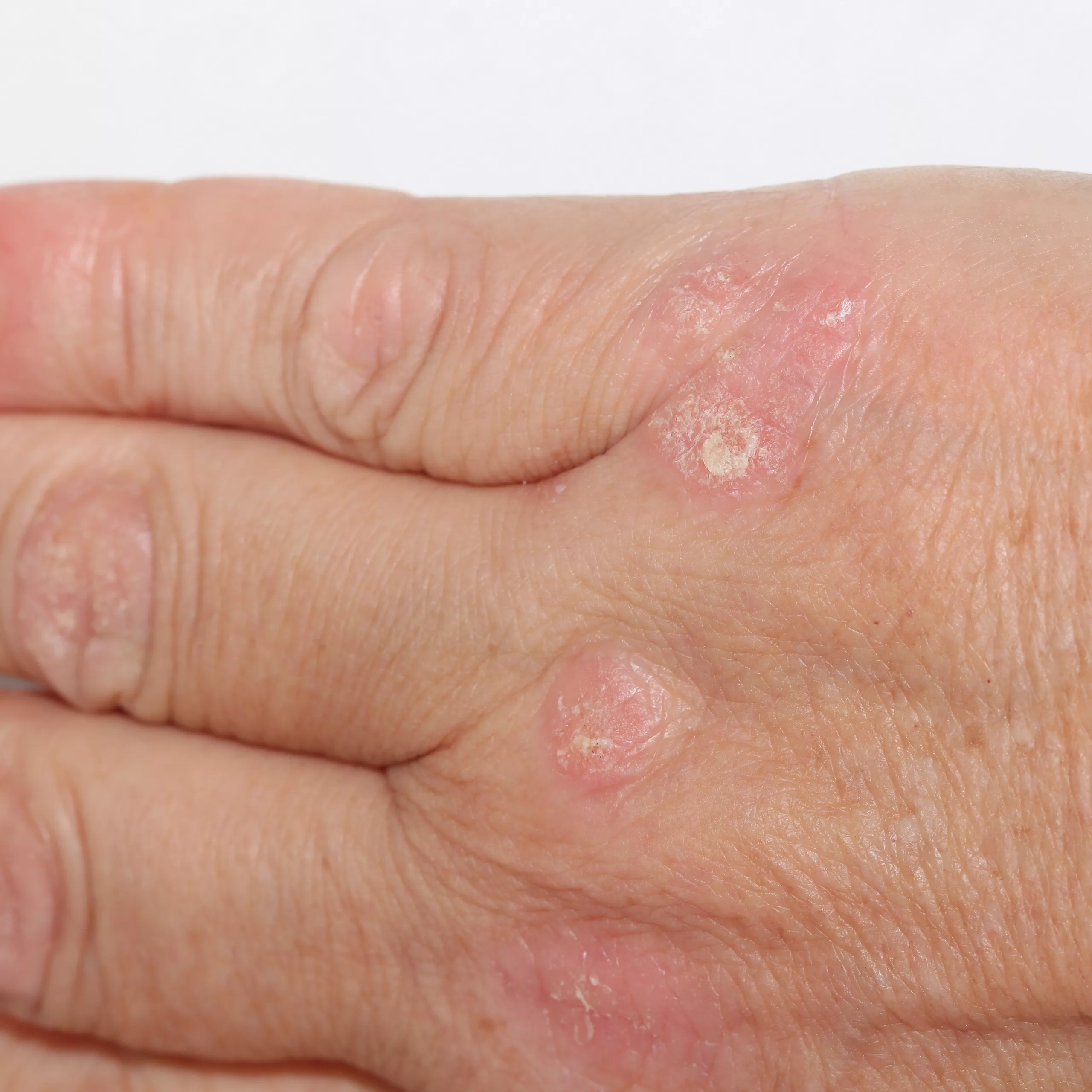
2. Skin Conditions
Mould exposure can irritate the skin and make skin conditions like eczema worse. If mould spores come into contact with the skin, they can cause inflammation and reactions, especially for residents with sensitive skin. This can have a bigger impact on children and those with existing skin conditions, as they can also suffer from itching and visible rashes.
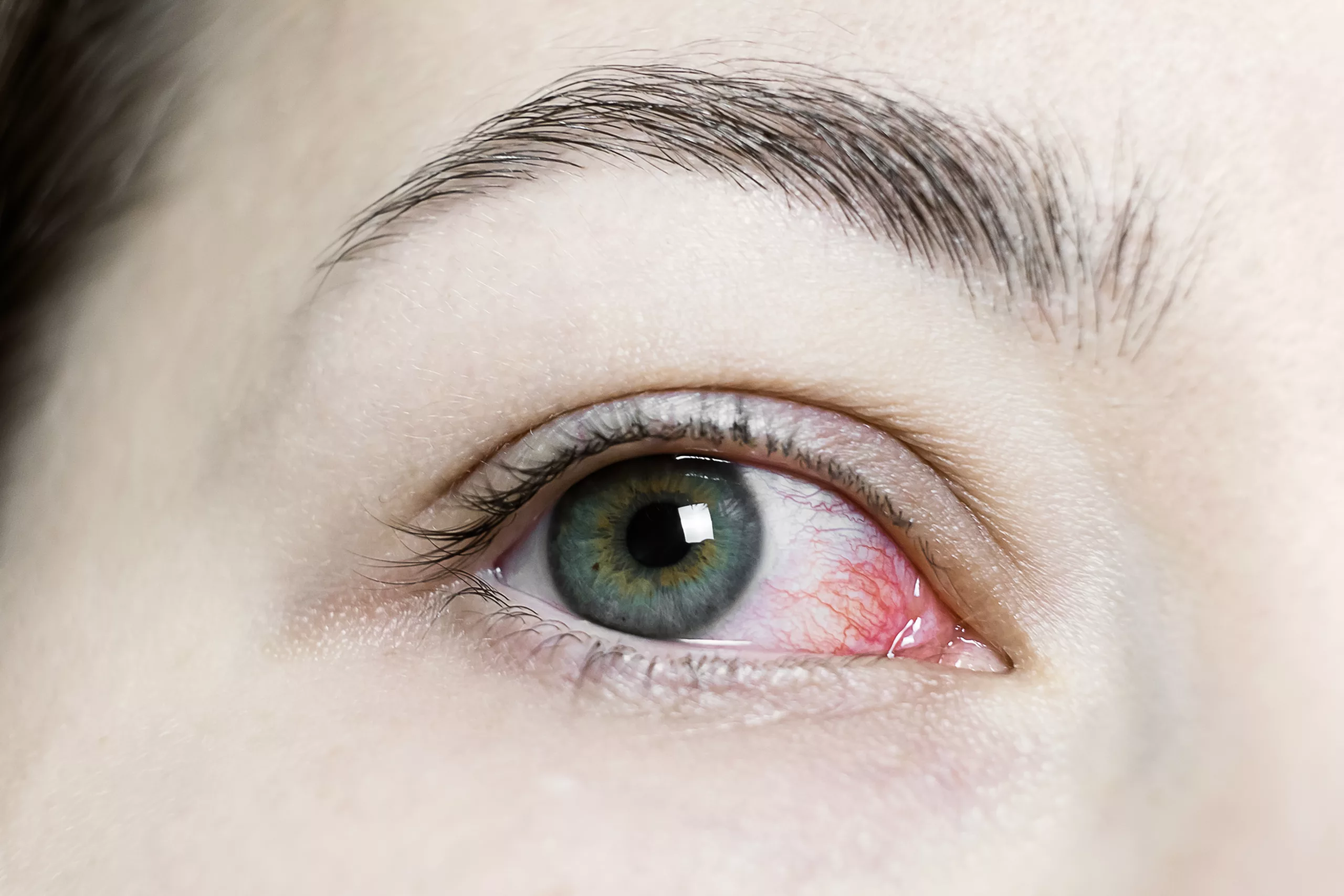
3. Allergic Reactions
Mould spores can trigger allergic reactions in residents; symptoms can include watery or itchy eyes, a sore throat, and a blocked nose, all of which can be mistaken for a common cold. These reactions can be persistent, especially if the source of the mould isn’t found and treated, causing ongoing discomfort and frustration to residents.
4. Respiratory Issues
Living with mould can cause a range of respiratory symptoms, including sneezing, coughing, and breathlessness. These mild symptoms can quickly develop into more serious health problems for vulnerable residents such as children, the elderly and those with pre-existing lung conditions.

In rare cases, mould exposure can lead to serious infections, and people with weakened immune systems, chronic lung conditions, or a history of tuberculosis are at higher risk.
How to deal with mould
To effectively deal with mould, you must first eliminate the conditions that allow it to thrive. Key to this is ventilation, which extracts moisture-laden air to stop condensation from settling in the first place. Improving your home’s heating is equally vital, as warmer air holds more moisture and prevents condensation from forming on cold surfaces. Finally, for any visible mould that has already established itself, hire a professional to ensure it is safely and completely removed so it doesn’t return.
Once these initial steps are complete, keeping your home mould-free comes down to consistent maintenance. Service your ventilation fans annually, following manufacturer recommendations, to keep them running efficiently. Additionally, maintain steady heating throughout the home rather than allowing sudden drops in temperature, which cause moisture to settle and invite fresh mould growth. Aim to keep living rooms at 21°C and bedrooms or other spaces around 18°C.
Conclusion
Mould is a serious hazard, not just for your properties but also for your residents’ health. Ignoring the mould doesn’t just damage the property, but it can also affect the health of everyone living there. At Mouldex, we help housing providers identify, treat, and prevent mould issues, so your residents can enjoy safer, healthier homes. To find out more about our approach, contact our team today.